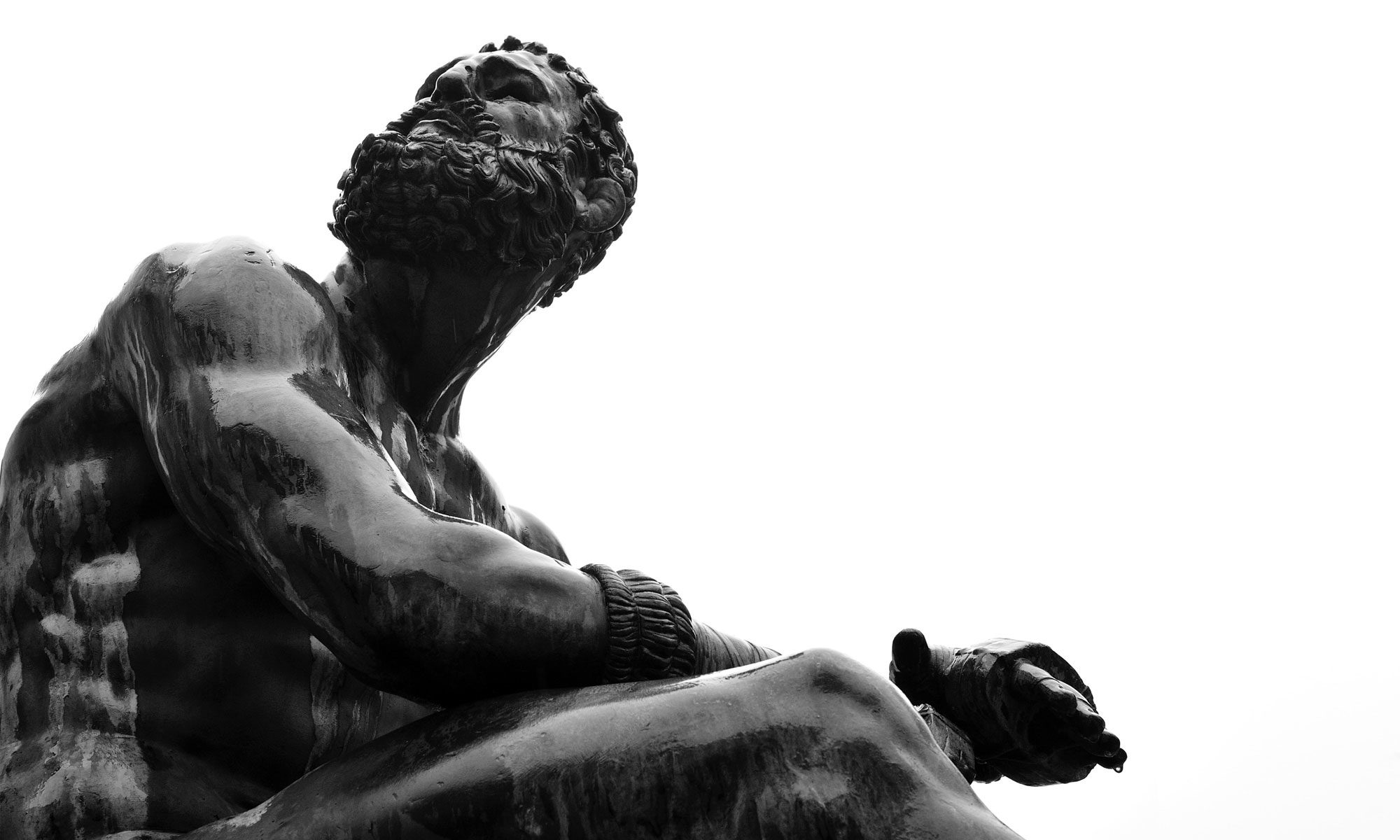
William Blake (1757–1827) was an English Romantic poet and visionary who viewed himself as a Christian. But he fiercely rejected the Church of England and organized religion. Believing imagination was the “body of God,” he saw Jesus not as a divine ruler, but as the supreme embodiment of human poetic genius. (from AI)
Truth comes in different formats. In a college seminar with our philosophy tutor, we were asked to critique various thinkers’ efforts to prove the existence of God. Each philosophical school had a different approach such as rationalism, realism or logic.
At the end of the three sessions we asked our tutor how he approached the question of religious belief.
His answer was brief. I believe there is a personal God, because life’s greatest meaning comes from relationships. Relationships are the ultimate goal of human consciousness and free will.
That did not feel conclusive for me. But the poet Blake, a non beleiver, expresed Lucas’ truth in his poetic language.
Relationships for both the philosopher and the poet embody truth.
To Mercy Pity Peace and Love,
All pray in their distress:
And to these virtues of delight
Return their thankfulness.
For Mercy Pity Peace and Love,
Is God our father dear:
And Mercy Pity Peace and Love,
Is Man his child and care.
For Mercy has a human heart
Pity, a human face:
And Love, the human form divine,
And Peace, the human dress.
Then every man of every clime,
That prays in his distress,
Prays to the human form divine
Love Mercy Pity Peace.
And all must love the human form,
In heathen, turk or jew.
Where Mercy, Love & Pity dwell
There God is dwelling too.