One of America’s founding ideals is captured in this poem with its familiar and oft-quoted final lines from her “silent lips:.”
The New Colossus
Not like the brazen giant of Greek fame,
With conquering limbs astride from land to land;
Here at our sea-washed, sunset gates shall stand
A mighty woman with a torch, whose flame
Is the imprisoned lightning, and her name
Mother of Exiles. From her beacon-hand
Glows world-wide welcome; her mild eyes command
The air-bridged harbor that twin cities frame.
“Keep, ancient lands, your storied pomp!” cries she
With silent lips. “Give me your tired, your poor,
Your huddled masses yearning to breathe free,
The wretched refuse of your teeming shore.
Send these, the homeless, tempest-tost to me,
I lift my lamp beside the golden door!”
Emma Lazarus, written in 1883, on the Statue of Liberty
Freedom, Liberty and Opportunity
One of many possibilities beyond the “golden door” was begun some 25 years later during one of America’s earlier progressive reform eras. St. Mary’s Bank, the first credit union, was organized in 1909 by a priest to help workers in a factory with small personal loans. From that small seed, today’s cooperative financial system has grown to $2.5 trillion serving tens of millions of American consumers.
More than seventy years later, a new era of credit union potential was launched. This new chapter was described by the Chairman of NCUA in his Three Freedoms speech to the Massachusetts CUNA league’s Annual meeting on November 3, 1984.
Freedom is commonly understood to be free from something that limits or controls an individual’s actions by fear, want, arbitrary rules or sometimes coercion.
But freedom also enables individuals and society to undertake collective efforts essential for living in communities in which interdependency is crucial for the well being of all. This “empowering” opportunity is how Callahan described the transforming outcomes of deregulation for the credit union system.
The changes in government’s role had provided a new context where credit unions were enabled to make decisions not previously open to them. The upshot of these multiple efforts were described as three freedoms
* Freedom of security: credit unions have their own unique cooperatively structured insurance safety net (NCUSIF) and liquidity fund (CLF).
* Freedom to compete: credit unions could now make their own business decisions on products, services and interest rates for members;
* Freedom to serve: credit unions now decide who their membership will include (FOM choice).
Cooperative design combines individual choice in an interdependent-cooperative financial system founded on self-help, self-governance and self-reliance. Not private capital or ownership or government subsidy.
By 1984, the foundation had been set for a quarter century of deregulatory leadership by cooperatives until the regulatory backlash from the 2008 financial crisis.
With its focus on personal financial opportunity, credit union purpose promotes the country’s founding pursuits of life, liberty and happiness. Cooperative choice is a special American innovation entered though Lazarus’ golden door.
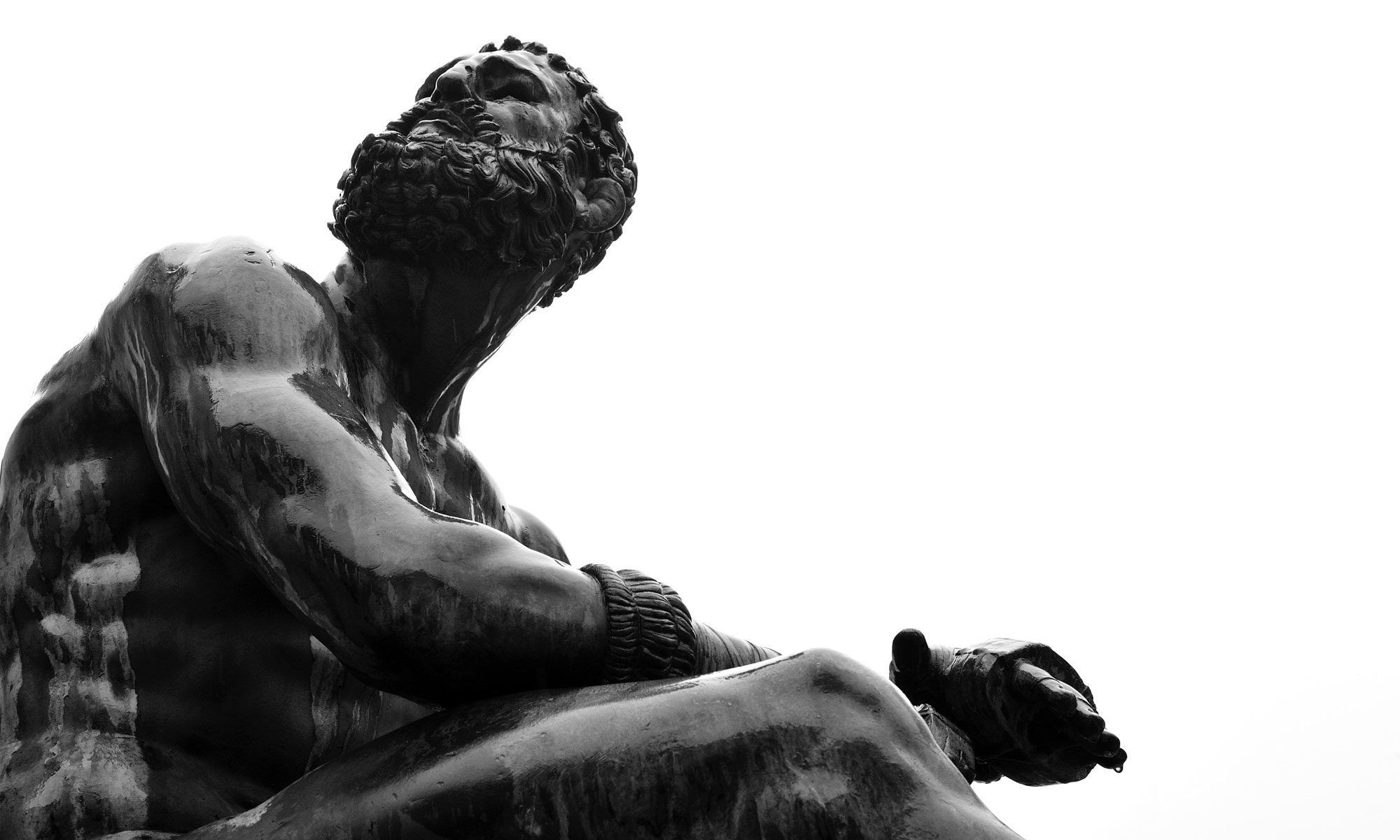
A Sleeping Giant Within the New Colossus
In his many credit union presentations, Ed Callahan described credit union’s future potential as a “Sleeping Giant” or “America’s best Kept Secret.”
This was also a vision in an American folk and labor protest song written in 1948 by Les Rice. He was an apple farmer in Newburgh, New York, who also served as president of the Ulster County chapter of the Farmers Union.
He wrote a song out of frustration during the post-WWII years. As small-scale farmers were being squeezed by large agricultural corporations that dictated the prices for produce and overcharged them for supplies.
The lyrics in The Banks Are Made of Marble contrast the labor of working-class people, including farmers, seamen, and miners, with the vast wealth of the banking and corporate elite.
The repeating chorus points out the stark inequality: the vaults are filled with the wealth that the working class sweated for, while real people struggle. The last two stanzas predict the rise of banks owned by the people:
I’ve seen my brothers working,
Throughout this mighty land,
l prayed we’d get together,
And together make a stand.
Then we’d own those banks of marble,
With a guard at every door,
And we would share those vaults of silver,
That we have sweated for!
(https://www.youtube.com/watch?v=umMTkHnnJag&t=13s)
.