
How are credit unions, as cooperatives, different from other financial choices?
The difficulty from a Jim Blaine October 2016 post, Outside the Box Thinking: (link)
In the beginning ( no I was not there!); credit unions were created as cooperatives, which were to be owned and controlled by the members and managed in their best interests.
One member / one vote; a democratically elected Board; a common goal, a common purpose – the common good !

Kind of an “outside the box” sorta view….

See the problem?
“We’re all in this together” no longer applies.
The members have become “outsiders”…. and therein lies our greatest challenge for the future!
Don’t box yourself in,
don’t box your members out!
Has Cooperative Structure Become an Empty Suit?
Jim’s visual distinction is critical. Increasingly credit union CEO’s and boards view the credit union institution as separate from its member-owners. In cooperative design there are not two separate “stakeholders.”
Creating Differentiation Through a Cooperative Lens
What if your credit union’s budget for 2026 projected net earnings every month; but then management and the board agreed to distribute each month’s bottom line directly to benefit the member-owners of their community most in need?
Following is is an example of setting monthly breakeven outcome so that the collective net income can be directed to assist other members through their common link, the credit union
United Trades FCU was founded in 1955 by members of Steamfitters Local 235 which is today the Local 290 of the United Association of Plumbers & Steamfitters (UA Local 290).
UA Local 290 members are the skilled tradespeople behind the region’s largest construction projects. These include industrial facilities, hospitals, universities, and commercial buildings that define the Portland skyline. At a consumer level, they provide the heating, plumbing, and pipefitting systems that keep homes and communities running.
The credit union office is in the UA Local 290 union hall in Tualatin, Oregon. The credit union today has $56.7 million in assets serving over 4,200 members. Many are local but members also travel to other jobs and other locals which do not have credit union access. An additional 2,200 union members maintain vacation fund accounts through the credit union, a benefit administered on behalf of UA Local 290.
The credit union staff of 10 is led by Sarah McNeil, who first joined as a filing clerk in high school. She returned after college as a Loan Officer and worked her way sarving in nearly every staff function.
When the Great Recession hit UA Local 290 hard, with mass layoffs and members unable to pay their bills, the credit union created CU By Design. This CUSO connected small credit unions with loan capacity to those in need. United Trades was able to generate income through the CUSO to offset losses and still serving members throughout the crisis. Sarah served as CUSO Director for a decade before returning to the credit union in 2018 to lead the Member Services team. On January 1, 2026, she was appointed CEO.
.The union legacy and role is a central factor in how the credit union and members work in tandem. As stated on its website, United Trades FCU is your cooperative, built by members, for members. Every dollar you save, borrow, or invest stays in skilled trades community.
A Cooperative Innovation-Solidarity Link
When hearing about this credit union’s breakeven approach. called Solidarity Link, I reached out to learn more. For it seemed to put members and the credit union together in Blaine’s single box.
The theme of solidarity is at the heart of union membership and the credit union’s member first priority. The professional life of a steamfitter is uncertain. Work on large construction projects ends. Many assignments, while full time, are temporary. When no job requests are available locally the union members will travel to work on construction with other locals around the country.
In addition, there are the uncertainties of labor negotiations. On April 16, Local 290 members voted to authorize a strike in connection with their Master Labor Agreement negotiations. A strike authorization d is a bargaining tool that gives union leadership leverage at the table.
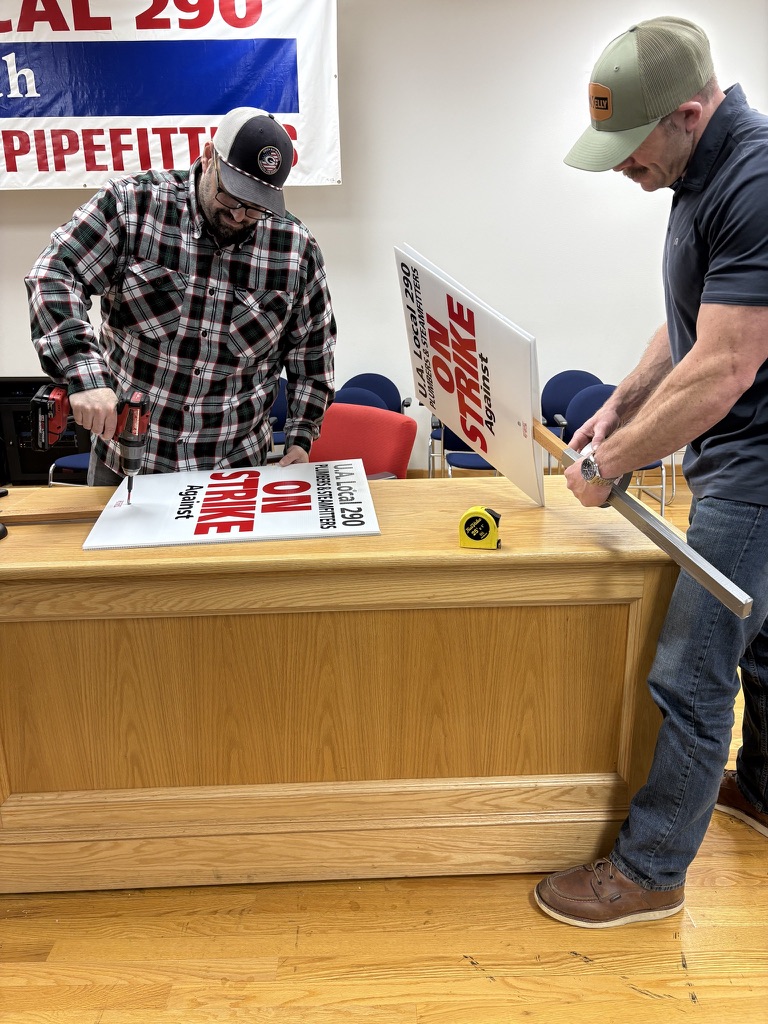
The contract was settled this week. So the signs were not needed.
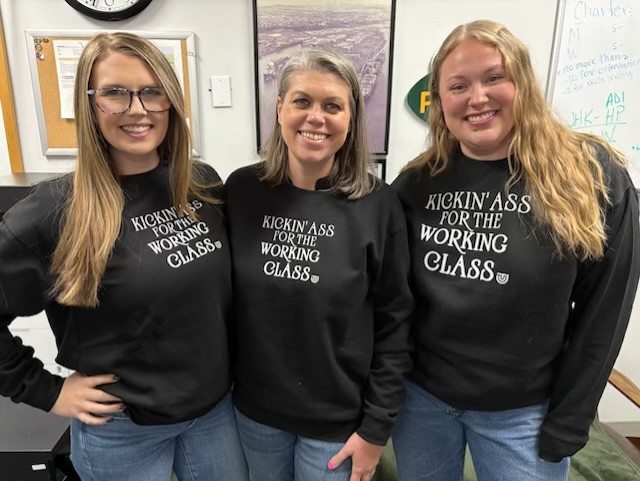
Solidarity is embraced by the credit union staff. Some of the Local 290 office team, are members of OPEIU, Local 11. No strike, but t-shirts were ready. This was the promise of credit union support had a strike occured. (link)
The Solidarity Initiative in 2026
The program is outline don the web site. (link)The Relief Valve is a series of member options to ease financial pressure when the work cycle tightens or life changes unexpectedly.
The Resevoir are options and tools to help members build strength during good times and prepare for what’s next in the work cycle.
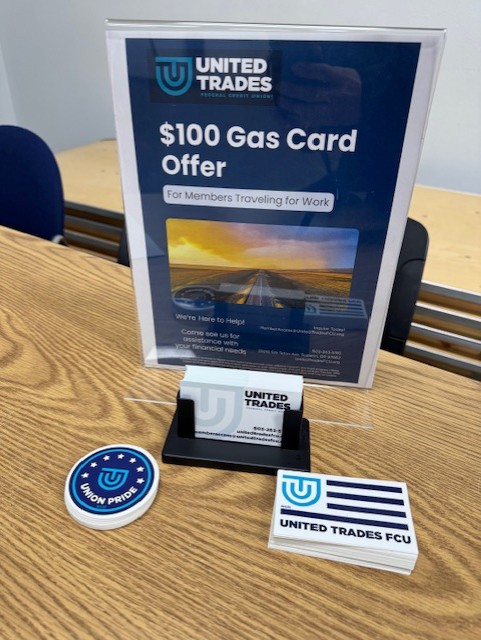
All apprentices receive a free $100 travel card when going to an out of area job. Fifteen cards for a total of $1,500 have been issued through April.

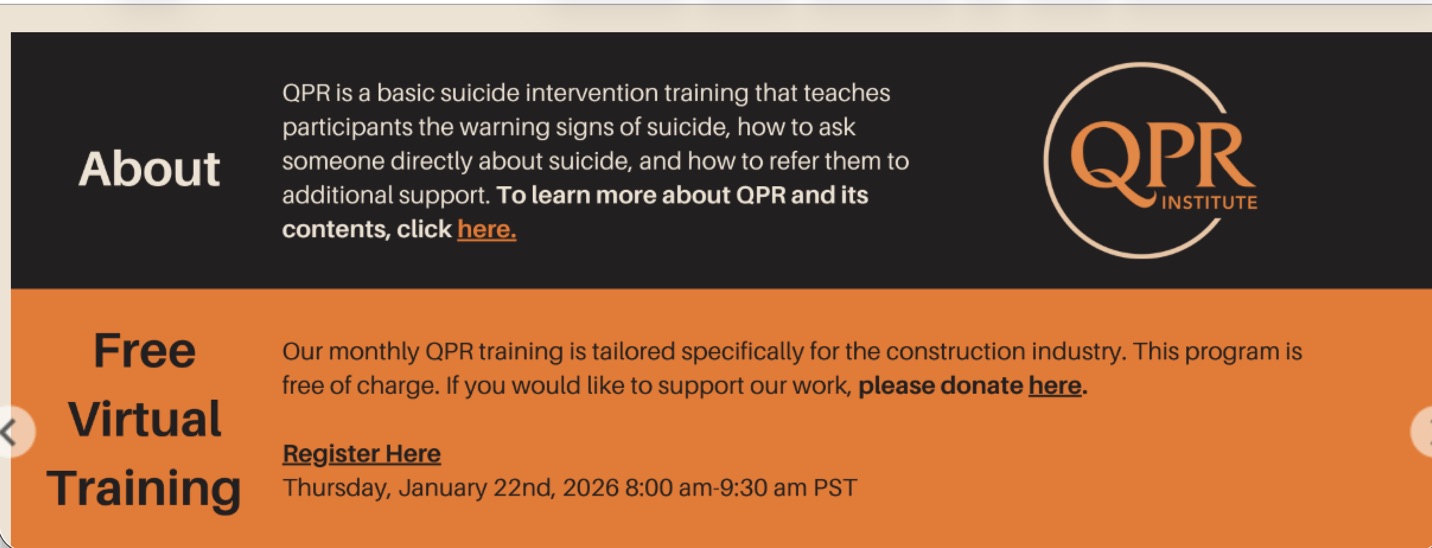
Mental health counseling is a service now available for all members.
To date there have been 12 loans totally $57,000 to members in financial stress. Overall 119 members have been helped in one of seven financial options.
In April. the board approved a one-time hardship payout to all apprentice members who have been out of work for at lest 30 days (estimated at 80), This payment of $185 will total an estimated $15,000-from current earnings.
Details of the credit union’s performance are in its 2025 Annual Report.
In the CEO’s words: At United Trades FCU, cooperative thinking is what produced Solidarity Link, the signals of a social institution — where the Annual Report and meeting materials exist not as formalities, but as a genuine accounting to the people who own it: read more here.
Tomorrow in Part II I will share the new CEO’s logic for using cooperative principles as the standard for credit union performance. .